Are you getting the most out of your whisky? Learning how to nose and taste a whisky properly can significantly elevate your tasting experience, so we’ve put together a guide on how to taste whisky (or how to taste whiskey, if you use the US spelling) to provide a few hints and tips to help you get the most out of your next dram.
This step-by-step whisky tasting guide is designed to help beginners and enthusiasts explore whisky more confidently, based on advice from Tomatin Distillery’s in-house experts who’ve conducted thousands of tastings at events and in our visitor centre.
The main thing is that you enjoy the whisky you taste, so if you’re happy with your current method, or prefer your whisky in a cocktail, that’s great too!
This guide on how to taste whisky covers the following topics:
Does the colour of whisky affect its taste?
What are whisky legs?
How to nose whisky?
How to taste whisky
Whisky tasting tips
Does the Colour of Whisky Affect Its Taste?
The colour of whisky is determined by the type of cask it’s been matured in and for how long – this can give you some indication into how your whisky might taste. Lighter-coloured whiskies tend to be sweeter whereas darker whiskies might contain more fruited and spiced flavours.
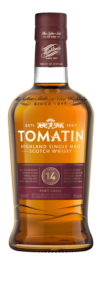
For instance, Tomatin 14 Year Old has been aged in Port Casks, and therefore takes on a deeper and darker colour with aromas of red berries developing into aspects of light fruits and nuts on the palate.
Whereas in contrast, the Tomatin 10 Year Old aged in Bourbon casks appears lighter with an almost honey-coloured appearance. This gives a sweet, fruity, even buttery whisky.
Observing the colour of the whisky can help you identify what type of cask it’s been matured in, and from there you can begin to make assumptions about how it might taste.
What Are Whisky Legs?
Whisky legs are the droplets of whisky that run down the inside of the glass. These can give you an indication of the character of your whisky. Droplets that run down the glass faster are indicative of a lighter whisky, which is the typical style of whisky made at Tomatin. Slower moving legs down the side of a glass can mean that the whisky is heavier.
How to Smell Whisky (Nosing Guide)
Before tasting whisky, we recommend nosing (smelling) your whisky first. This can help to unlock additional aromas and flavours in your whisky that you might not detect from taste alone. Experts suggest that up to 80% of our taste comes from our sense of smell, so it’s very much a key part of the overall tasting experience.
Our step-by-step guide on how to smell whisky properly (often called nosing) is as follows:
Put your nose into the glass and inhale but avoid doing this too heavily or you might experience a burning sensation.
If you find the whisky to be quite strong on the nose, you can inhale through your mouth, rather than your nose. This will give you a lot of the flavour, but without the prickly heat.
When thinking about how the whisky smells, we suggest starting from a broad base and narrowing down. For instance, “does this whisky smell sweet”, followed by “where does this sweetness come from”. Common whisky aromas you might like to start with when nosing a whisky include sweet, spicy, smoky and fruity.
How to Taste Whisky Step by Step
When it comes to tasting a whisky, we’d recommend the following steps to enable you to experience all the notes of a whisky across both the palate and the finish. This advice comes directly from our Brand Ambassador, Jo Garrow, who has conducted hundreds, if not thousands of tastings.
Take a balanced sip, it’s not about shotting the entire glass, but equally you don’t want to take too small a sip either. Imagine taking the first sip of a hot cup of coffee, that’s around the volume of liquid you’re looking to drink.
Next, hold the whisky in your mouth for a couple of seconds and move it around your mouth, above and below the tongue, and to the front and back of the mouth. This will help you unlock different flavour profiles, give you a sense of the mouth feel of the whisky and can help to reduce the burn that whisky sometimes has.
Consider the flavours that you’re getting as you hold the whisky in your mouth – keep in mind that they can continue to change. Again, as with nosing the whisky, you might like to start from a broad base and narrow down from there.
When you swallow the whisky, think about the flavours that you’re left with. This is called the finish and draws notes from both the mouth and the throat.
Frequently Asked Questions About How to Taste Whisky:
What is the Best Glass for Whisky Tasting?
Based on experience, at Tomatin Distillery we think a Glencairn glass is the best glass for whisky tasting. This is because the narrow mouth makes it easier for aromas to reach the nose. Additionally, the wider body of the glass allows tasters to swirl the liquid to help release the aromas and inspect the legs of the whisky.
That said, if you don’t have access to specialist whisky-drinking glassware, you can absolutely still enjoy tasting a whisky at home in a regular glass!
Should You Add Water to Whisky?
Adding water to whisky is often down to the drinkers’ personal preference. Adding just a couple of drops of water to whisky can significantly alter how it tastes, by bringing forward different flavours. This makes a great way to experience the same whisky in different ways!
How Should Beginners Taste Whisky?
The step by step guide we’ve provided above is designed to be useful to beginners and experienced whisky drinkers alike. Thousands of newcomers to whisky have sampled whiskies at Tomatin Distillery using a similar methodology and we find it’s a great way for all drinkers to unlock the potential in our whiskies.
What is the Best Whisky for Beginners to Taste?
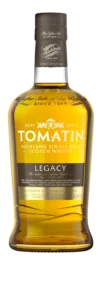
Generally, with a whisky tasting for beginners, we like to recommend that newcomers sample a lighter, more approachable whisky to begin with, for instance the Tomatin Legacy. We’ve found that this acts as a great introduction to whisky, with popular sweet and floral aromas and flavours, making it incredibly accessible.
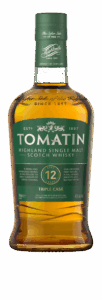
During our tastings, we will typically then progress drinkers to the Tomatin 12 Year Old Triple Cask, which continues to exhibit the light, floral notes that Tomatin’s spirit is renowned for, but with increased depth from 12 years spent maturing in casks.
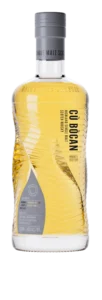
Peated whisky can often be daunting to whisky beginners, which why we like to give visitors samples of our lightly peated Cù Bòcan Signature. It’s a great entry into the world of smokier whiskies, with smoky aromas and flavours being noticeable, but not overpowering.
How to Develop a Whisky Palate?
If you’re looking to develop and refine your whisky palate, our recommendation would be to build up experience by sampling different whiskies, often side by side, to allow comparison. Doing a whisky tasting with friends can be a great way to compare notes and further develop your whisky knowledge.
One tip for evolving your palate is to purchase a whisky tasting notebook. These typically contain pages for each whisky you taste, with highly visual sections that you can populate relating to aromas and flavours. They’re great for helping you to think about all the different elements of a whisky tasting and allow you to draw comparisons between different whiskies too.
Visiting whisky distilleries, such as Tomatin Distillery, taking part in a tasting, and speaking to knowledgeable tour guides can be a great way to expand your knowledge of whisky and develop a whisky palate.